
Conquer the Storm: Your Ultimate Guide to Riding and Managing Electric Bikes in Wet Weather
Don’t let the rain slow down your last mile logistics. Here’s everything you need to know to protect your e-bike fleet, your riders and your profit margins, when the weather turns against you.

If you're scaling an electric bike fleet in Africa, you've probably already solved half a dozen problems: battery range, charging infrastructure, theft prevention, even the occasional “why is this scooter on the roof?” incident.
But here comes the rainy season. Again.
Flooded intersections. Muddy shortcuts.
And that golden question from your riders: “Boss, can I actually use this thing in the rain?”
The short answer is yes, if you plan for it.
The long answer? Well, that’s what this newsletter is for.
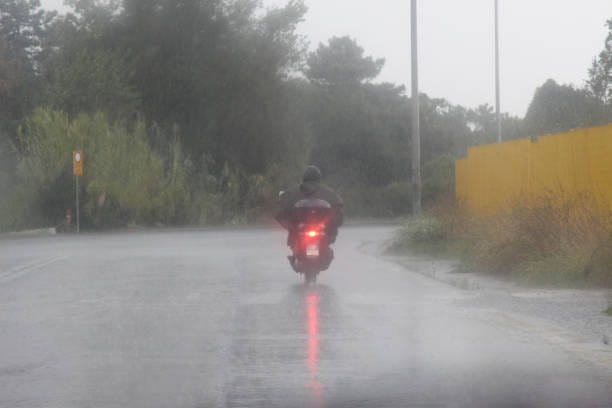
Why This Matters (Especially in Africa)
Rain isn't just water, it’s operational risk.
Africa’s major cities from Lagos to Kigali to Johannesburg, experience seasonal downpours that can quickly turn a normal route into a splash zone.
With more startups deploying e-bikes for deliveries, ride share and micro-freight, ignoring rainproofing is no longer an option, it’s a threat to uptime, safety and service quality.
Studies show that electric two wheelers experience up to 30% higher maintenance costs when operated improperly in wet weather due to water ingress, battery degradation, and rust related wear.
Your E-Bike Rain Proofing Playbook: FleetXcel Edition
1. Understand the Science: Water Resistant / Waterproof
Most e-bikes are built with an IP rating (Ingress Protection), a global standard that tells you how resistant the bike’s components are to solids and liquids.
IP54 = Basic rain tolerance. OK for drizzle. Risky in storms.
IP65 = Good rain protection. Sealed electronics. Common in mid-range models.
IP67 = High-end. Can survive temporary submersion (but don’t try).
Fleet Tip: Check the IP rating of your motor, controller, battery and display screen separately. Manufacturers often list the frame’s rating but that’s not what fries first.
2. Battery Protocol: The Non-Negotiables
The lithium-ion battery is the single most expensive component of any electric bike. In wet weather, improper handling can lead to:
Short-circuiting
Capacity loss over time
Connector corrosion
Here’s how to prevent that:
✅ Never charge during a storm or in damp areas, even indoors. Use a dry, ventilated charging station.
✅ Wipe the battery casing dry before and after rides. Moisture inside the connectors leads to gradual failure.
✅ Use dielectric grease on terminals to prevent corrosion in high humidity regions.
✅ Train riders not to ride through flooded roads. Most battery enclosures sit low and can take on water fast.
🔋 Fleet Stat: One improperly stored battery can cost R6,000+ to replace. Multiply that across 50 units, and you’re looking at a wet nightmare.
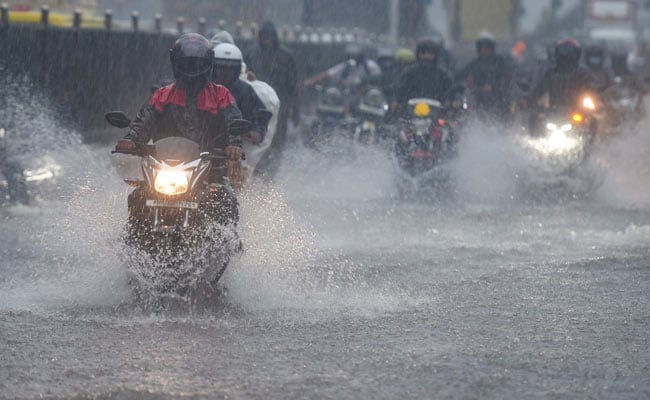
3. Fit Your Fleet for the Weather
Upfitting e-bikes for wet weather is cheaper than dealing with breakdowns later.
Install fenders/mudguards to prevent spray on the motor, chain and wiring.
Use Plastic MKIV Delivery Bike Box for deliveries to avoid soaking goods (and complaints).
Add reflective tape + waterproof lights for visibility in fog or grey out conditions.
Provide riders with proper rain gear: ponchos are not professional. Branded gear = mobile advertising.
Smart Add on: Consider handlebar mounted GPS devices with waterproof housings for urban deliveries, especially in areas where phone navigation gets unreliable during storms.
4. Train Like the Rain is a Feature, Not a Flaw
Your tech can be rain ready but your team? Not always.
Here’s what your operations team should drill into every rider:
Brake earlier. Accelerate slower. Wet brakes = longer stopping time.
Avoid sharp turns at speed. Slick roads and two wheels? That’s a low side waiting to happen.
Do post ride checks. Riders should inspect brakes, chain tension, battery moisture and tyre pressure after every rain ride.
Clean and dry immediately. Never store a wet bike, ever. Rust doesn’t sleep.
Fleet Manager Tip: Make these protocols part of your digital checklist on dispatch apps, no check, no payout.
5. Monitor, Maintain, Monetize
Don’t just deploy, track how your fleet performs in rain.
Set KPIs for:
Maintenance incidents in rainy weeks vs dry weeks
Battery swap failures during wet days
Rider absenteeism during storms
Integrate with your fleet management software to automate alerts when certain thresholds are hit.
Then use the data to:
✔️ Adjust dispatch routes.
✔️ Predict maintenance downtime.
✔️ Rotate bikes for weather based rest periods.
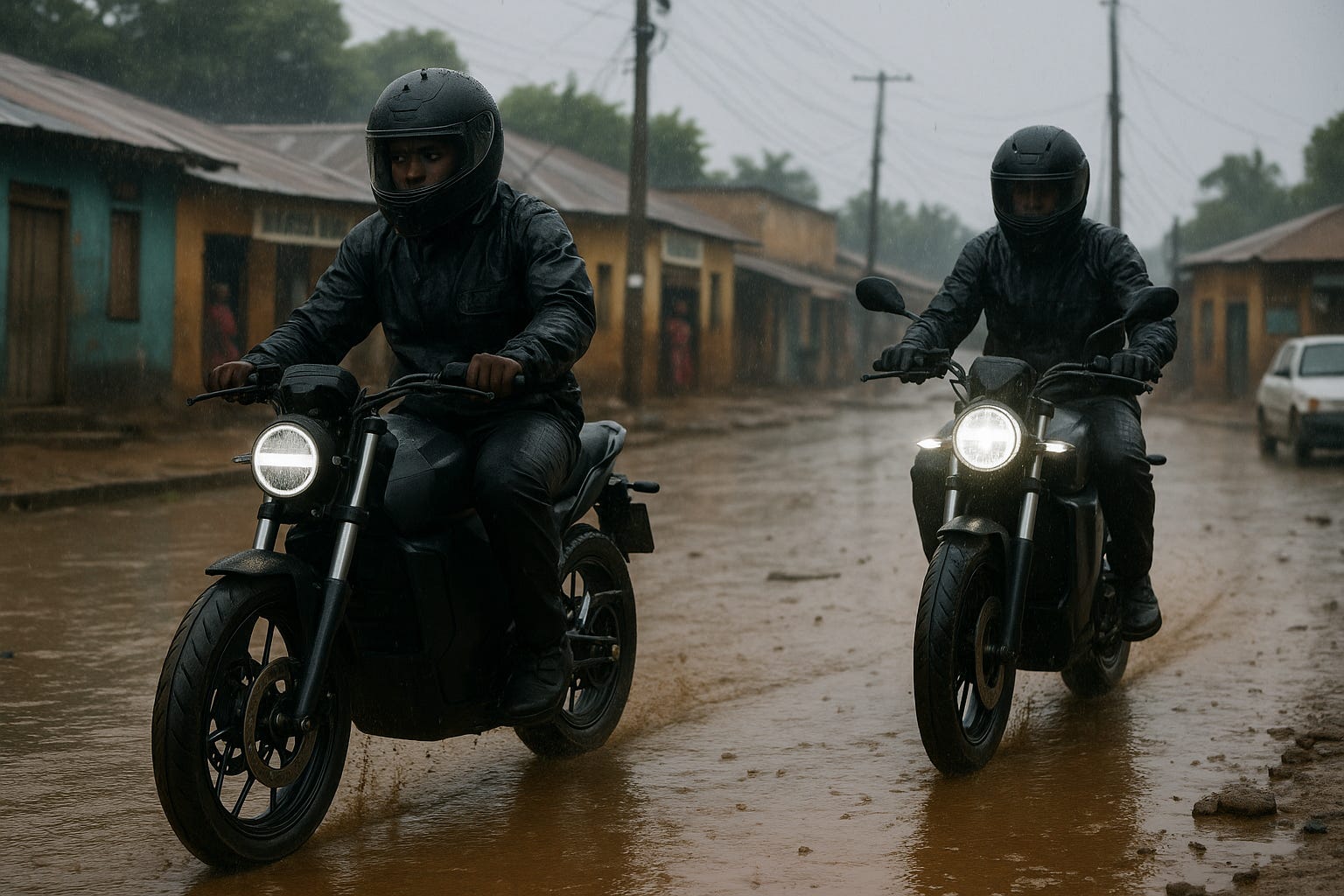
BONUS: How to Vet E-Bike Suppliers for Rainy Season Readiness
Before you sign your next e-bike procurement contract, ask:
What is the IP rating of the battery, motor and controller?
Are wiring connectors sealed and protected against splashes?
What kind of after sales support is available for water damage?
Can you test a unit in your city’s wettest conditions before bulk purchase?
Don't accept marketing spin. Ask for technical documentation. Demand transparency.
Final Thought: Rain Is Just Another Operating Condition
If you’re serious about electrifying your fleet, weather can’t be an excuse.
With smart planning and smarter execution, your e-bikes should run year round come rain, thunder or Instagram cloudburst.
So, the next time a thunderstorm rolls in and your petrol bike competitors start scrambling?
Smile. Your riders are still rolling. Quietly. Efficiently. Profitably.